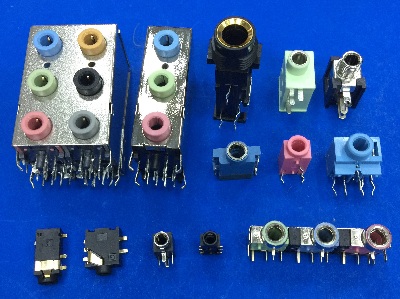
What is a Phone Jack?
A Phone Jack, also known as an audio jack or headphone socket, is a mechanical connector that has long been used for transmitting analog audio signals. It is commonly used to connect headphones, microphones, audio equipment, and musical instrument cables. The Phone Jack first appeared in telephone switchboards in the late 19th century, where it was used to manually switch telephone lines. This historical application is also the origin of the term “Phone.” Today, it is widely recognized as the headphone jack.
In terms of hardware structure, the plug side is generally referred to as the Phone Plug, while the socket or jack mounted on the device is called the Phone Jack.
Common Size Specifications
Depending on the device and application, Phone Jacks are mainly available in the following three standard sizes:
- 2.5 mm (Sub-miniature): The smallest size specification, commonly used in early miniature walkie-talkies, some older mobile phone headsets, and certain camera shutter release interfaces.
- 3.5 mm (Mini-jack): The most common specification, widely used in personal computers, earlier smartphones, desktop computers, laptops, smart radios, and general consumer headphones.
- 6.35 mm (1/4-inch Jack): Commonly known as the large professional jack or 6.3 mm connector. Due to its robust structure and excellent wear resistance, it is widely used in professional audio equipment, electronic keyboards, electronic drums, and guitar/bass instrument cables.
Structure and Wiring Types: TS, TRS, and TRRS
When observing the front end of a Phone Plug, you can see that it is divided into several metal contact sections by thin insulating plastic rings. Depending on the number of sections, the connector supports different signal transmission functions. These are generally categorized as TRS terminals.
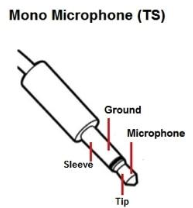
- TS (Tip, Sleeve / 2-conductor): Consists only of the tip and sleeve. It can transmit mono signals and is commonly used in electric guitar cables and stage audio cables.
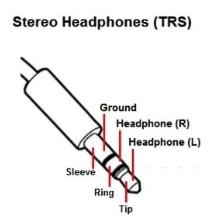
- TRS (Tip, Ring, Sleeve / 3-conductor): Consists of the tip, ring, and sleeve. It supports stereo audio transmission and is commonly used in standard music headphones or balanced studio audio lines.
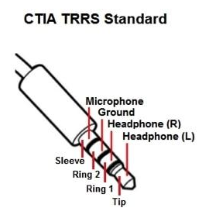
- TRRS (Tip, Ring, Ring, Sleeve / 4-conductor): Includes an additional ring contact. In addition to stereo audio transmission, it can also transmit microphone input signals, making it commonly used in wired headsets with call functions for mobile phones.
Switch Jack with Detection Function
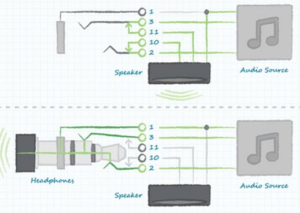
Many Phone Jacks are designed with a detect switch function. This allows the device to detect whether a plug has been inserted and automatically switch the audio output path, such as transferring sound from the built-in speaker to the connected headphones.
Where to Buy Phone Jacks
Phone Jacks can be considered a mature legacy product. Taiwanese manufacturers such as Chun Chi Industrial Co., Ltd. and Anytronic Corporation Limited have been producing Phone Jacks since 1988. Their products are available in LCP and PBT materials, with a wide range of colors and specifications. Phone Jacks are widely used in consumer electronics, smartphones and tablets, PCs, musical instruments, industrial equipment, medical devices, and many other electronic applications.
Introduction to Phone Jack Specifications and Component Names